
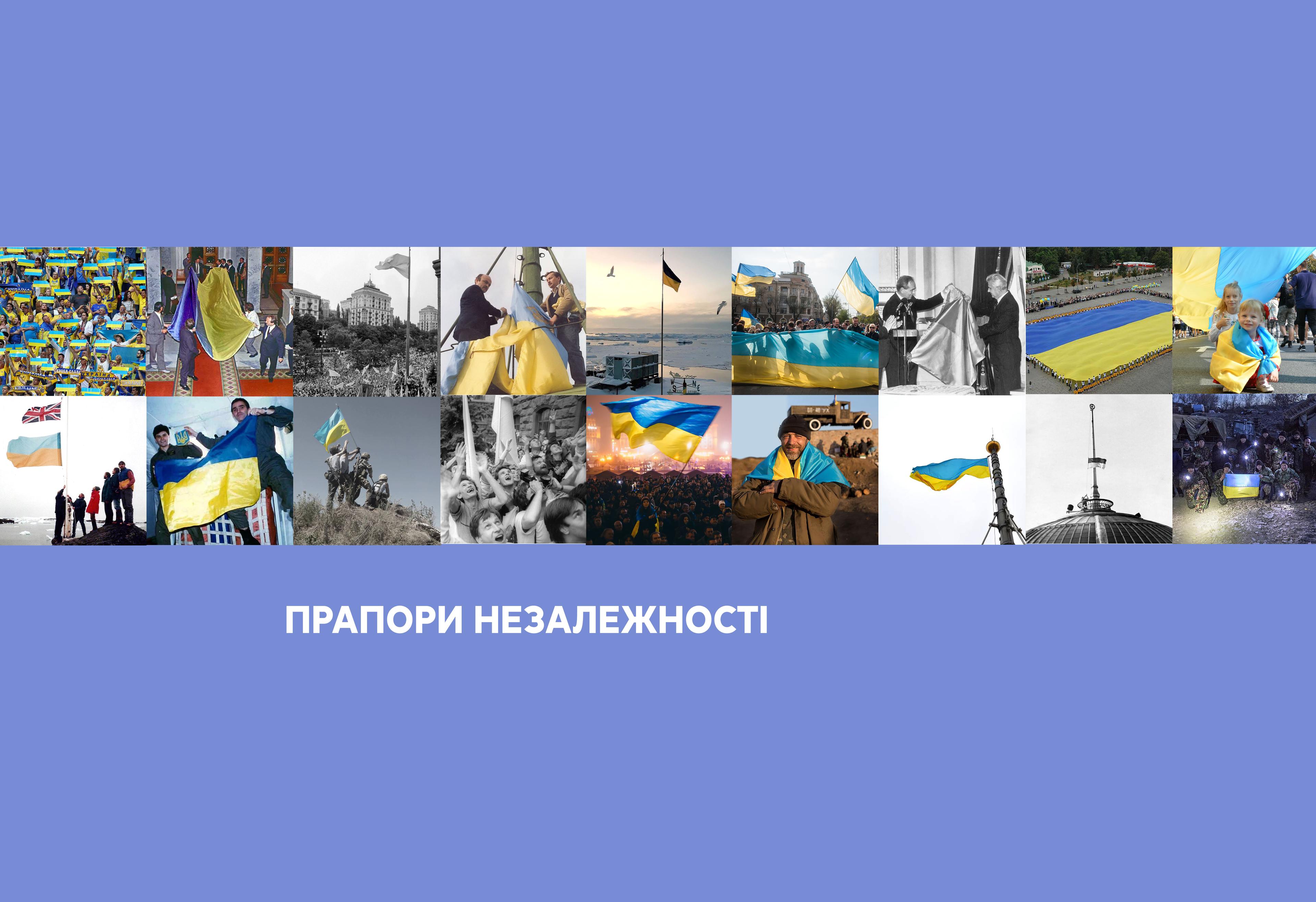
Flags of Independence
Exhibitions
Flags of Independence
National Flag Day is celebrated annually on August 23 in Ukraine. The public holiday was started on August 23, 2004, when the President of Ukraine, Leonid Kuchma, signed the relevant Decree. Later, during the presidency of Viktor Yushchenko, the document was amended to establish the solemn raising of the national flag on this day.
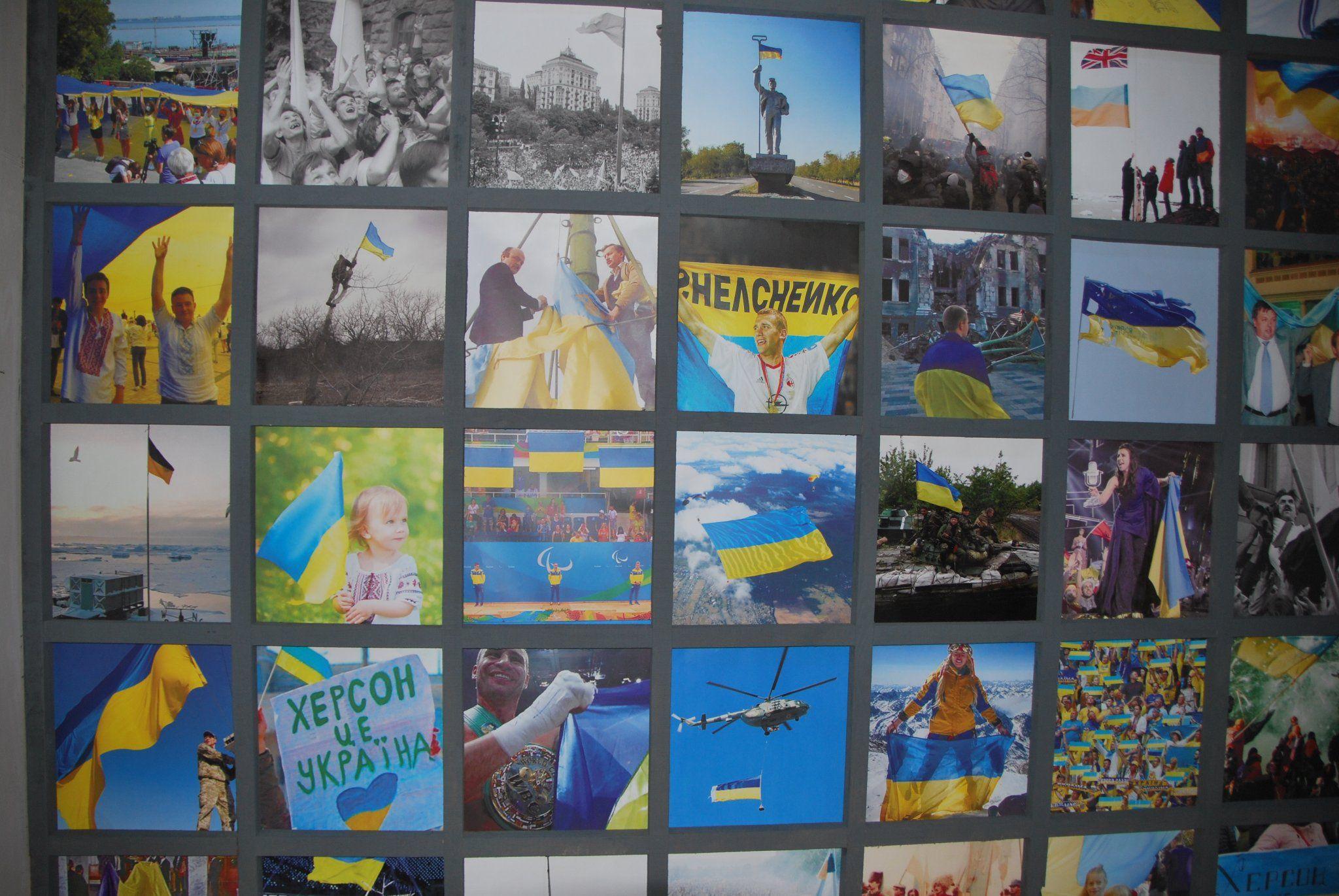
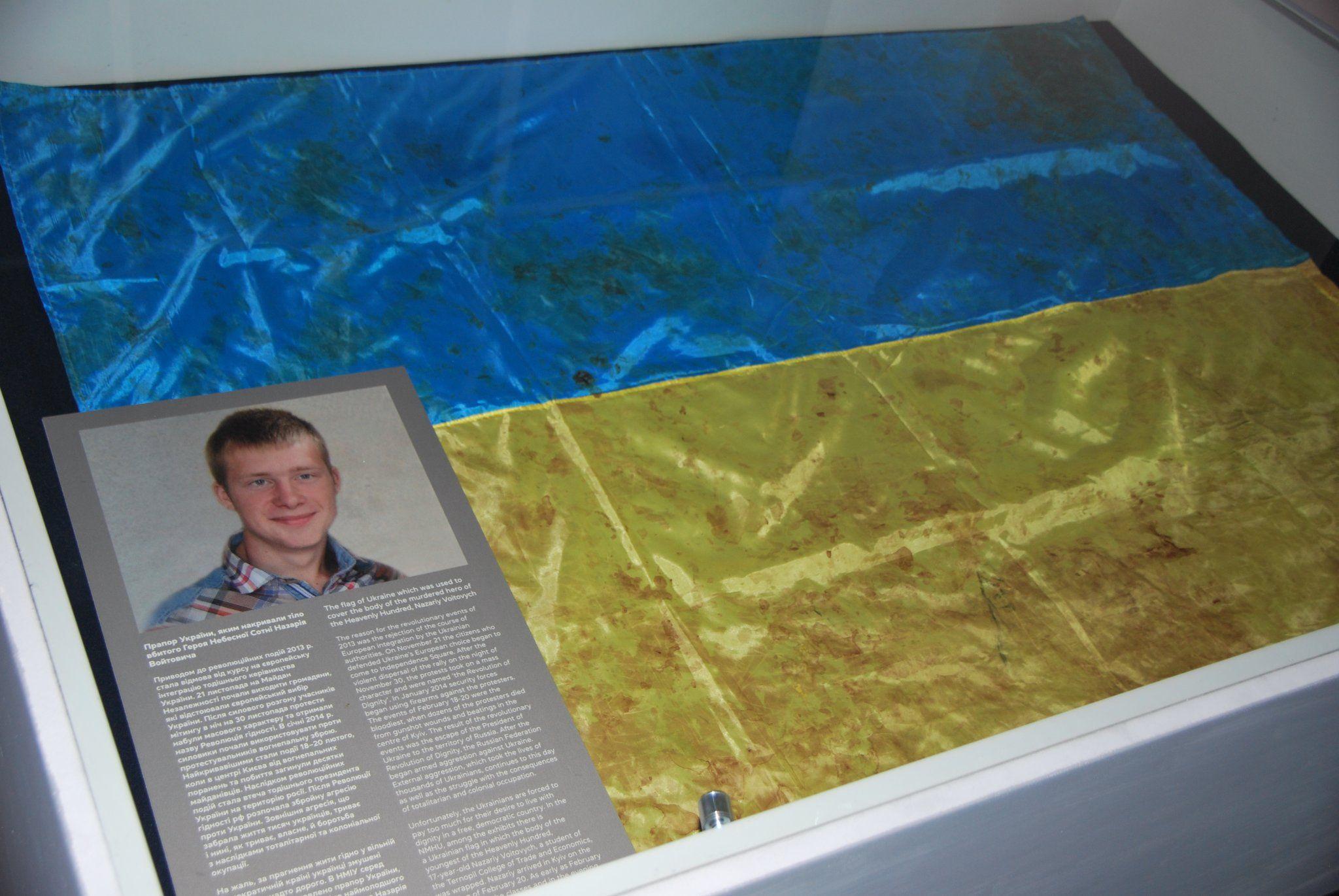
The National Museum of the History of Ukraine presents an exhibition where you can see a unique collection of flags from the late 20th¬–21st centuries.
Blue and yellow colors have long been used on the flags of Ukrainian lands. A golden lion was depicted on a blue background on the flags of the Kingdom of Galicia–Volhynia in the 14th century. A combination of the specified colors also occurs on Cossack banners of the 17th–18th centuries. The history of creating the modern version of the Ukrainian flag dates to the 19th century when at a meeting of the Ruthenian Council in Lviv, it was decided to use the blue and yellow symbols as national. During the Ukrainian Revolution of 1917–1921, the flag with these colors was chosen as the official state symbol of the Ukrainian People's Republic and the Ukrainian State of Hetman Skoropadskyi. After losing statehood, the Ukrainian liberation movement continued using national symbols. Ukrainian diaspora used blue and yellow flags during events and actions. In the USSR (Union of Soviet Socialist Republics), using Ukrainian national symbols was dangerous. The archives of the KGB (Committee for State Security) record cases of installing "nationalist" flags on buildings in various cities of Ukraine. People received significant prison terms for such manifestations of national consciousness in the totalitarian USSR.
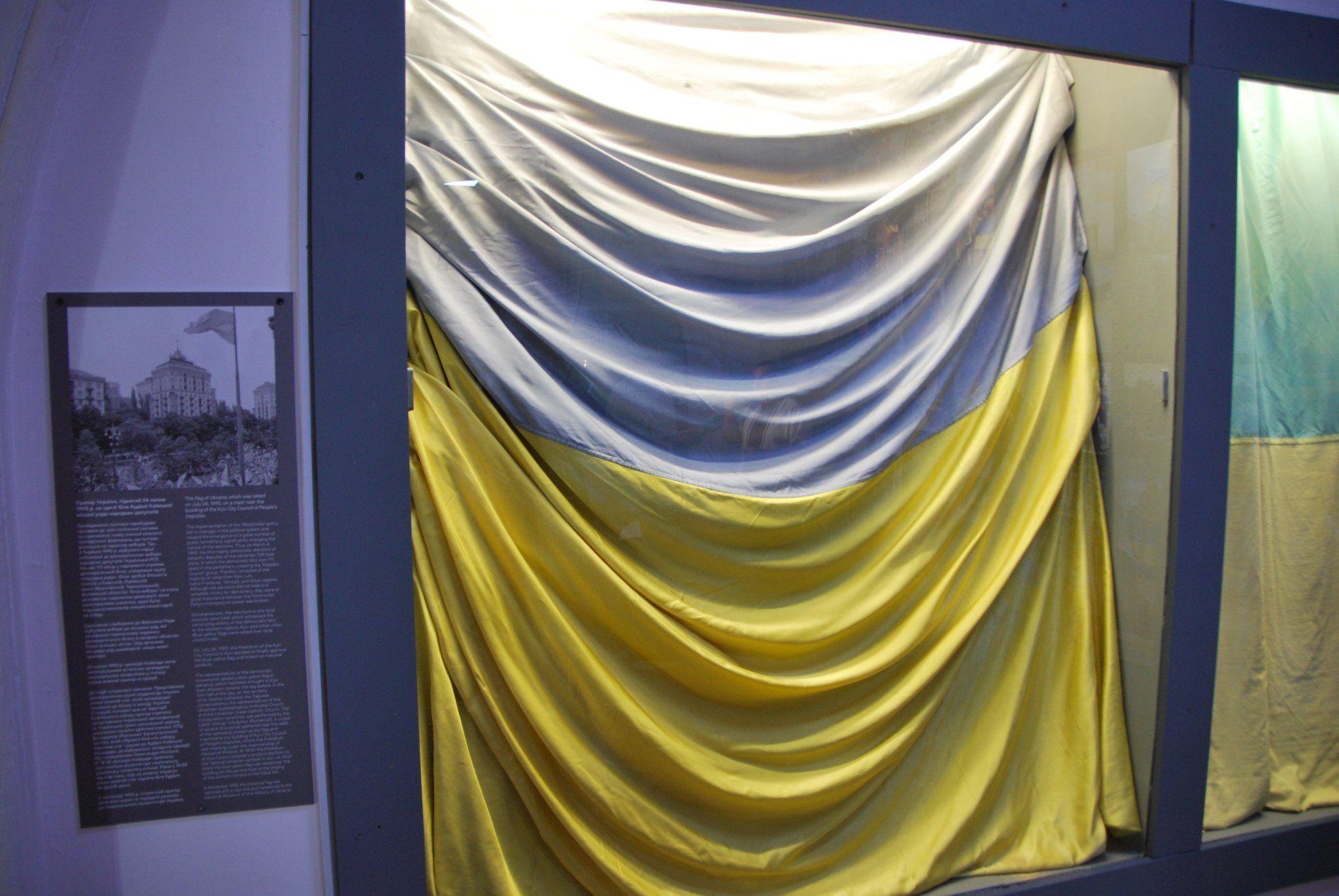
At the end of the 1980s, blue and yellow symbols rose at the first public actions of the national democratic forces. In 1990, flags with these colors were raised again on the buildings of state institutions. For the first time, this happened in Stryi, Lviv region, on March 14, 1990. On April 3 of the same year, the national flag was raised over the Lviv City Hall. On July 24, 70 years later, the blue and yellow flag was officially hoisted in the capital. In the presence of thousands of people on Khreshchatyk, the flag was raised on a flagpole in front of the Kyiv administration building.
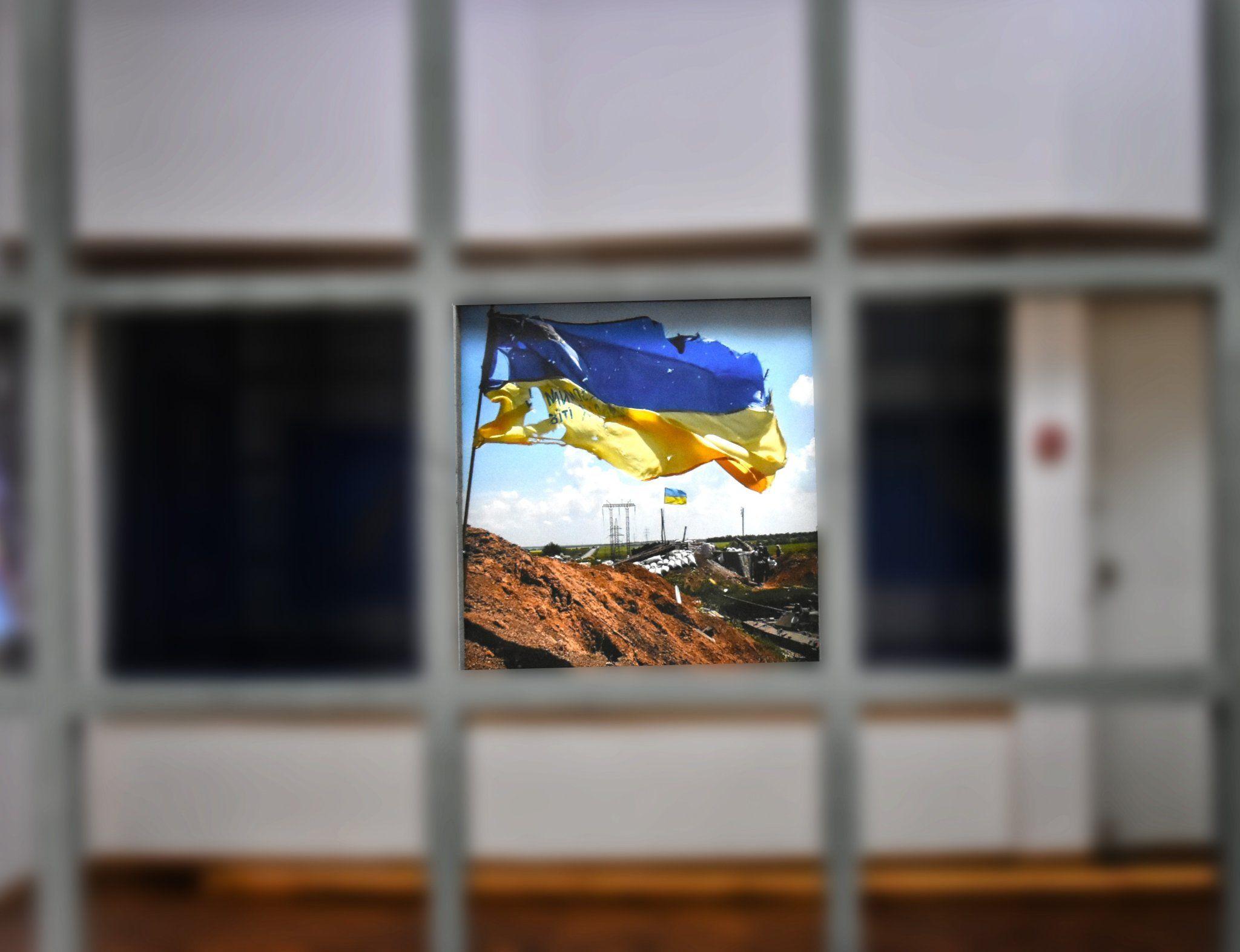
After the beginning of the russian aggression, the flag became a symbol of struggle and resistance against the invaders. In 2022, when the aggressor launched a full-scale invasion, iconic buildings in many world capitals were lit up in blue and yellow to support Ukraine.
The exhibition presents 17 unique flags, in particular: the flag raised in 1990 near the Kyiv administration, a blue and yellow flag of 1988 from the Kyiv meeting, which was given to the museum by the dissident Oles Shevchenko. There is also the Ukrainian flag, which was first raised over Antarctica on February 6, 1996; fragments of the Ukrainian flag from the TV tower destroyed by the occupiers on Mount Karachun near Sloviansk; a flag from the Donetsk airport with the signatures of Ukrainian defenders; the Ukrainian flag that a volunteer Victoria Kononova saved and took out of occupied Luhansk, the Ukrainian flag, which was in Earth orbit, and more.